

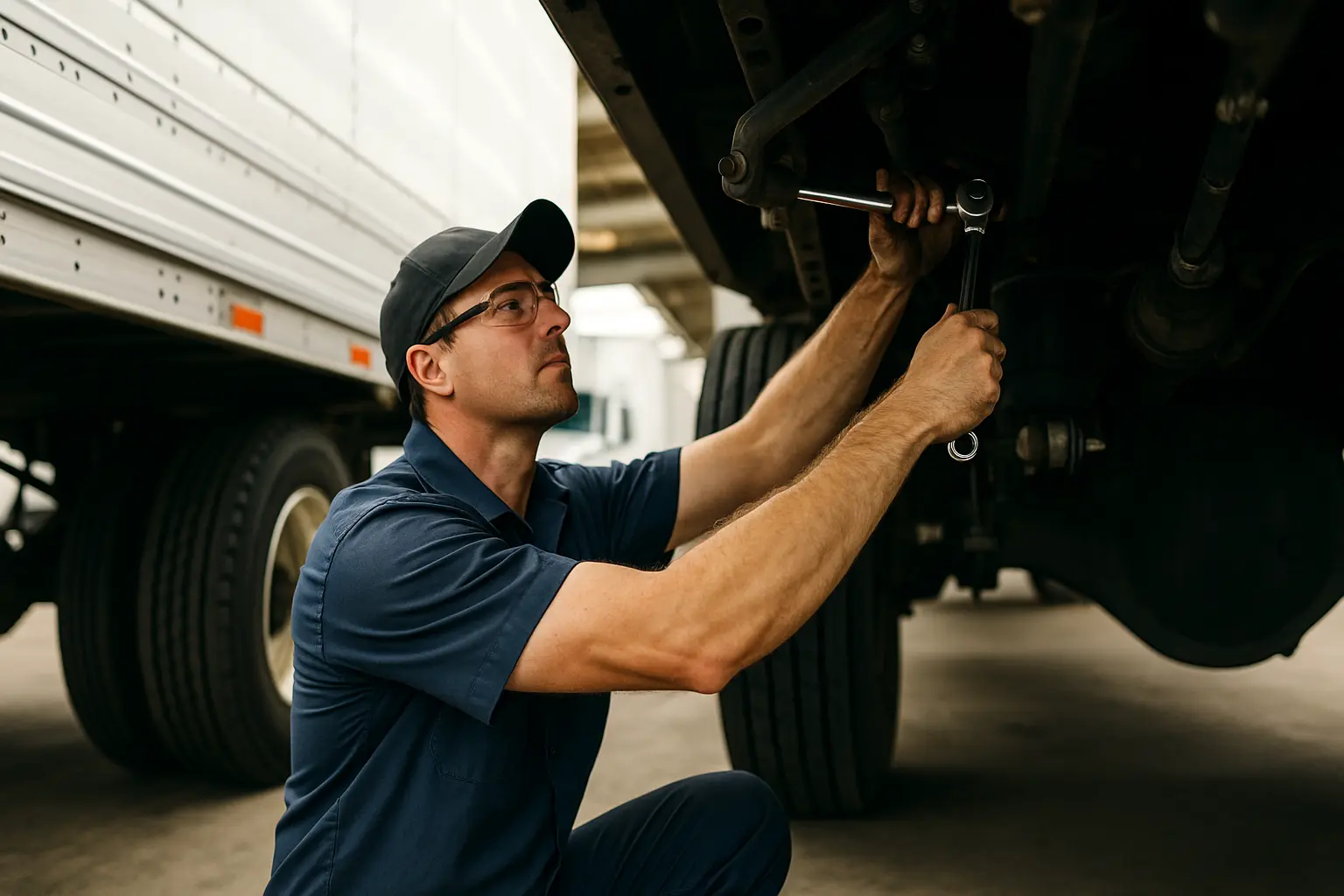
Go beyond emergencies: save money with scheduled check-ups.
A practical guide to implementing preventive maintenance routines that reduce breakdowns and extend the life of your fleet.
Ask any seasoned fleet manager what saves the most money in the long run, and they’ll tell you without hesitation: maintenance done before things go wrong.
The road is unforgiving. It doesn’t care if you’re behind schedule, if a shipment is urgent, or if you’ve “just changed the oil a few months ago.” And while emergencies will always happen, most mechanical issues don’t come out of nowhere. They give signs like noises, resistance, and subtle changes in handling. The challenge is paying attention and acting before those signs become a breakdown.
Not convinced yet? Check out these real numbers
Let’s talk numbers.
In Florida, where humidity and heat can accelerate wear and tear, the costs of neglecting maintenance are even more significant. Here’s a breakdown using a real-world example:
Routine maintenance every 2 months (per truck):
Oil & filter change: $350
Brake inspection and adjustment: $250
Tire rotation and alignment: $300
Fluid top-offs, belts, and general inspection: $200
Total: ~$1,100–$1,200
Now, skip that maintenance and here’s what could happen:
Blown turbo or transmission failure: $6,000–$10,000
Unexpected tow and emergency repair: $2,000–$4,000
Lost delivery revenue (3–5 days off): $4,500–$7,500
Replacement truck rental: $1,200/week
Total loss: $13,000–$20,000 easily
If you’re running a fleet of 10 trucks in a mid-sized logistics company in Florida, even just two breakdowns a year due to preventable issues could cost you $40,000 or more.
Now think about what that amount could do for your business: two used trucks added to your fleet, pay raises for top drivers, upgraded routing software, or a safety bonus program. Instead, it’s money out the window.
Our advice: make maintenance part of your culture
The best-run operations don’t treat maintenance as a reaction. It’s a mindset, and that’s the mindset we try to instill in our customers and friends every day, whether they manage a fleet or work as independent truckers.
Some tips to keep your system tight:
Schedule inspections proactively: Don’t wait for something to sound wrong. Set fixed intervals and stick to them.
Empower your drivers: They know the vehicles better than anyone. If something feels off, listen.
Track everything: Whether it’s in an Excel sheet or a fleet maintenance app, documentation is your defense against costly surprises.
Reward prevention: Create small incentives for drivers or team members who report early signs or consistently log maintenance details.
Preventive maintenance is not about being perfect, it’s about being ready. Every minute you invest in upkeep is a minute your truck spends on the road, not on a tow hook. Your fleet is the backbone of your business. And every truck that keeps rolling smoothly is proof that thoughtful planning pays off.
We’ll continue sharing templates, real inspection checklists, and scheduling tools here in this blog to help you take action, not just read ideas.